
Where the Second Chance Actually Lives
When people picture an organ transplant, they picture the operating room. The surgeon, the cooler, the phone call that comes at two in the morning. It's the version of the story that medicine has taught all of us to remember, and it's true as far as it goes.
There is another room, and almost nobody pictures it. It has a conference table. The transplant team meets there to decide who goes on the waiting list, and federal rules require that team to be multidisciplinary, require social work services to be available, and require a documented psychosocial evaluation before a candidate is listed. In practice that produces a set of questions with almost nothing to do with medicine. Who will drive this patient to her biopsies. Who will notice if something goes wrong at three in the morning in week six. Where will she live while all of this happens.
Programs commonly ask candidates to demonstrate that they have support for those demands. The OPTN's own ethics guidance is uneasy about that. It warns that social support becomes a proxy for something else, and that the patients who fail the proxy tend to be the ones who already had the least. Its stated principle is that access to life-saving care should not be contingent on demonstrating social support. That is the right principle. It is not a room. Somebody still has to supply the room.
Roughly 250 of the country's 6,100 hospitals are accredited to perform a transplant of any organ. Most patients therefore travel for this care, often across state lines, and stay far longer than anyone plans. Evaluation takes weeks. The wait for an organ can take months. Recovery, with its biopsies and blood draws and clinic visits, keeps patients tethered to the hospital long after the surgery is done. At Transplant House of Cleveland the common length of stay is four months. The transplant itself lasts hours. Everything around it lasts a season of a family's life.
We tend to treat that season as logistics, something families will simply figure out. And they do figure it out, the way people figure out impossible things, by absorbing costs that appear in no accounting of what a transplant costs. The recliner in the hospital room. The hotel that turns into a line of credit. The months of being hundreds of miles from everyone who would otherwise have brought dinner over.
So what is a second chance actually made of?
I serve on the board of Transplant House of Cleveland, so I want to say the next part plainly and without decoration. The House sits on a quiet street in University Circle. It opened in 2014 and has grown to twenty-five fully furnished apartments, minutes from care, open to solid organ, bone marrow, and stem cell patients who live an hour or more away, at any stage of the process. It has housed more than two thousand families, provided over eighty thousand nights of lodging, and spared those families roughly eleven million dollars they did not have. Its guests have come from forty-three states and ten countries.
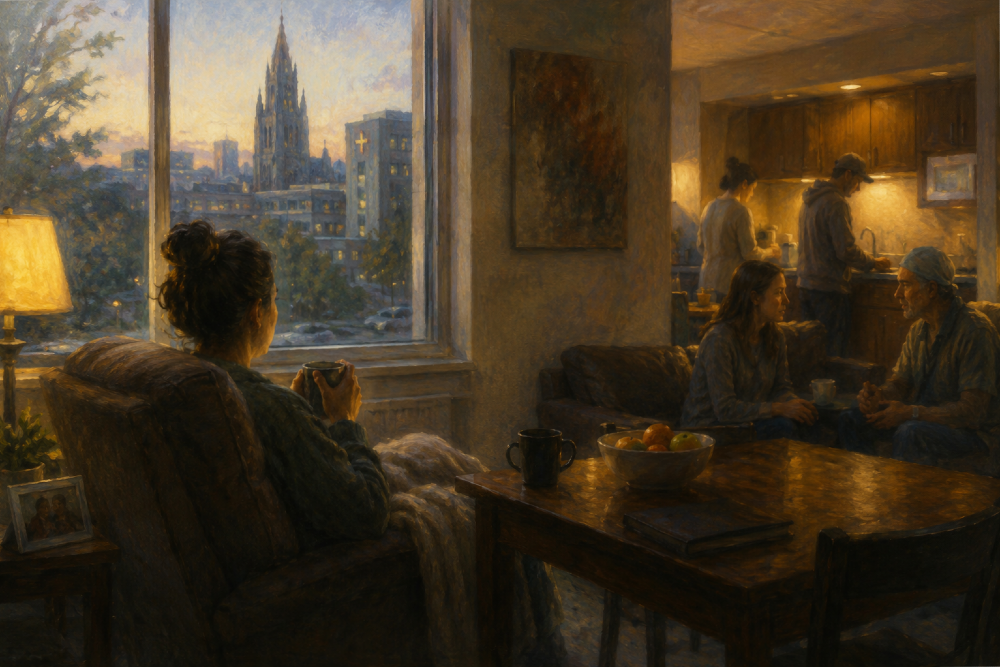
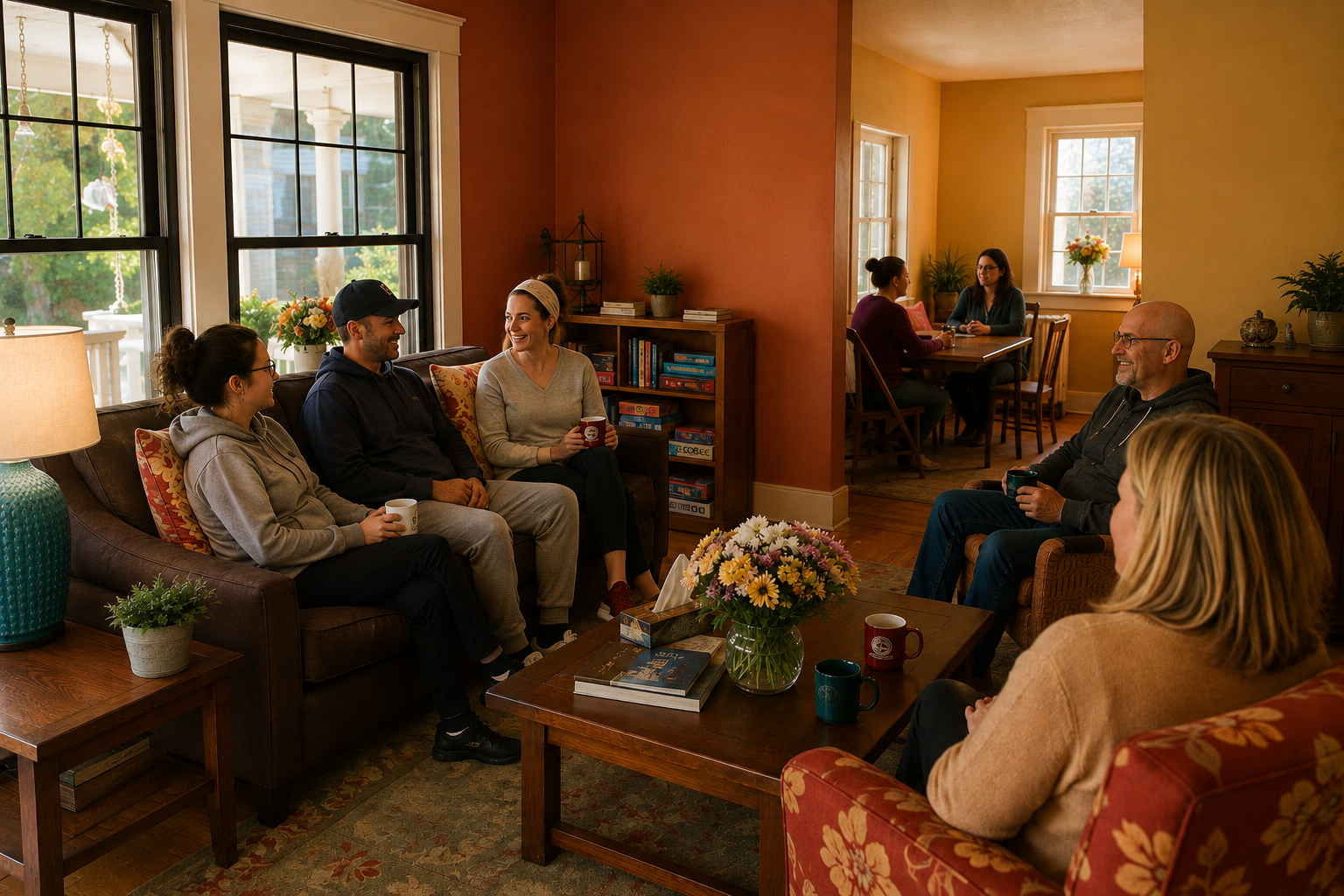
What it provides is not glamorous. A kitchen. A parking space. A washing machine. A common room where people at every stage of this sit down at the same table, which means someone still waiting can talk to someone already on the other side.
In 2024 the House accommodated 258 stays. In the same year it turned away 387 potential guests for lack of room. More people were told no than yes. Those families did not stop needing transplants. They found a motel, or a couch, or they delayed, or they went home.
It is fair to ask why any of this should be philanthropy's job. It should not be. Insurance pays for the operation. It does not pay for the room. Most of the families who come here have no housing coverage of any kind, and Medicaid does not cover housing either. Nobody is fixing that this year.
So the House closes the gap with arithmetic. A family pays fifty to seventy-five dollars a night, depending on the apartment. That apartment costs the House about a hundred and fifty. Donors and volunteers carry the difference, which means half to two-thirds of the cost of every night is paid by someone the family will never meet. If you give to this, you are not funding a cause. You are funding a specific room on a specific hallway that either exists or does not exist on the morning a family arrives from four hours away.
We admire the miracle, and we should. The science of transplantation is one of the genuinely great achievements of modern medicine. But the miracle doesn't recover anyone. What recovers people is the morning after, and the hundred mornings after that, and having somewhere humane to wake up for all of them. You can pay for one of those mornings.
Not the operating room. The room down the street.
Mauricio F. Carvalho serves on the Board of Trustees of Transplant House of Cleveland.